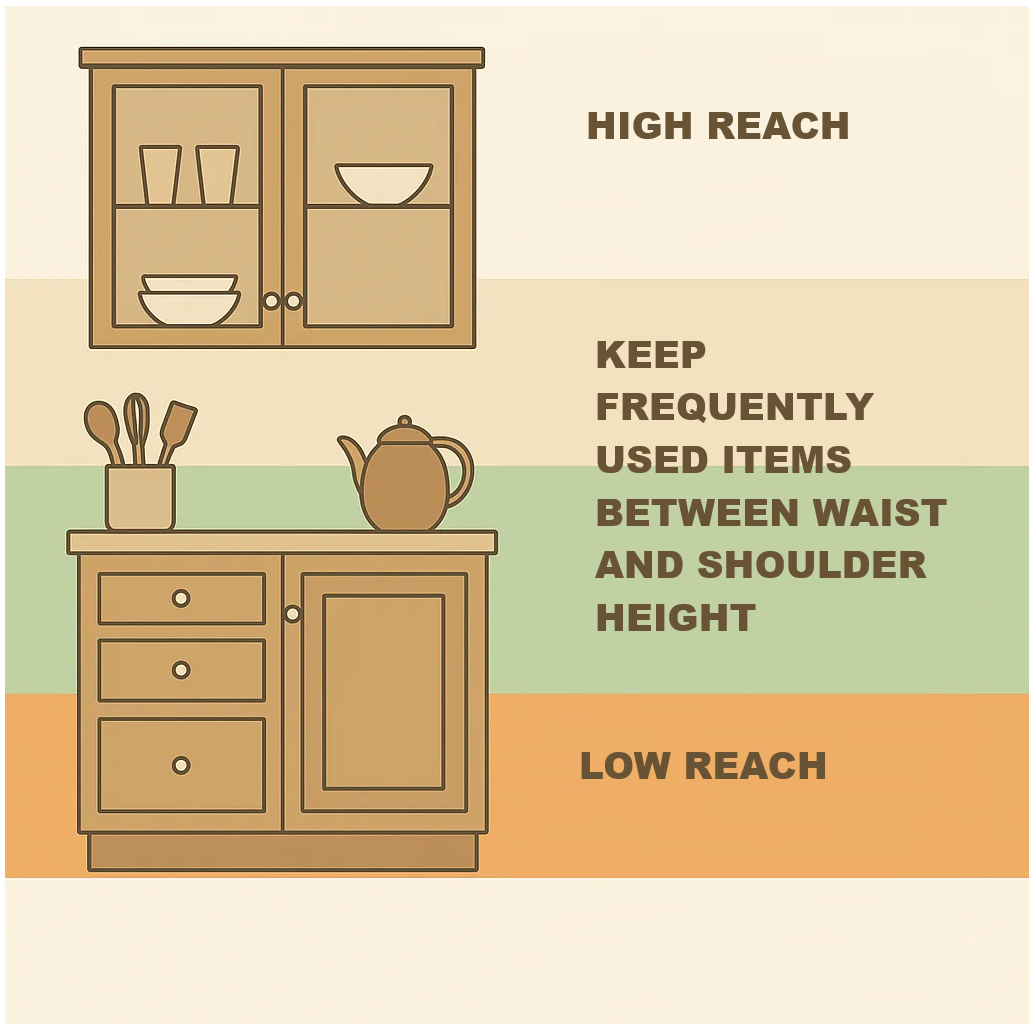

In the realm of design and ergonomics, the placement of frequently used items plays a crucial role in enhancing overall comfort, safety, and energy flow within a space. Designers and energy practitioners alike advocate for positioning everyday objects between waist and shoulder height, a guideline rooted in both physical accessibility and the principles of harmonious living. This strategic arrangement not only minimizes the risk of strain and injury but also promotes an efficient workflow, allowing individuals to engage with their environment effortlessly. By keeping essential tools and items within this optimal vertical range, users can reduce repetitive motions that often lead to discomfort and fatigue, thereby fostering a more sustainable and enjoyable interaction with their surroundings. Furthermore, from an energetic perspective, maintaining this balance encourages a smoother flow of movement and intention, which can enhance productivity and well-being.
In this article we delve into one of the most practical ergonomic principles in kitchen design (and it fits beautifully into both smart cabinetry design and Feng Shui flow). Let’s break down why designers and energy practitioners recommend keeping frequently used items between waist and shoulder height, and how it benefits your comfort, safety, and energy flow.
1. The Core Principle
Keeping the items you use most often — like plates, spices, pots, or utensils — between waist and shoulder height (roughly 30–60 inches / 76–150 cm) puts them in your primary reach zone. That’s the zone where you can access things without bending, stretching, or climbing — the “neutral comfort zone.”
2. Why It’s Recommended
| Reason | What It Does | Example |
|---|---|---|
| Ergonomics | Reduces bending, twisting, and strain on back and shoulders | Keeps your mixing bowls or plates at waist height instead of low drawers |
| Efficiency | Saves time during cooking — everything you need is instantly visible and reachable | Store daily dishes in middle shelves instead of top cabinets |
| Safety | Prevents dropping heavy or hot items from above | Heavy pots and blenders should never be stored over shoulder height |
| Energy Flow (Feng Shui) | Keeps Chi circulating smoothly at body level — where your movement is most active | Avoids stagnant or blocked energy from excessive reaching or crouching |
| Cleanliness | Items at eye level get used and cleaned more often; reduces buildup of dust or grease | Keeps top shelves for infrequent, covered storage |
3. How It Works in Practice
🔹 For Base Cabinets (Below Countertops):
- Store heavy pots, pans, and small appliances in pull-out drawers just below waist level.
- Avoid placing them on the floor or under deep counters — harder to lift and puts strain on the lower back.
🔹 For Wall Cabinets (Above Countertops):
- Store daily-use plates, cups, and glasses between shoulder and eye level.
- Keep lightweight or occasional-use items (like serving dishes or holiday glassware) higher up.
🔹 For Tall Pantry Units:
- Keep dry goods and snacks at mid-level.
- Store bulk supplies (flour, rice, tins) below waist height, and rarely used items (seasonal cookware, trays) above shoulder level.
4. Feng Shui & Human Energy Connection
In Feng Shui and spatial flow theory:
- The area between waist and shoulder is your “operational energy zone” — where your personal Chi interacts with the space most actively.
- Keeping this area organized, balanced, and free from excessive strain supports steady energy, mental clarity, and physical ease.
- Constantly bending or stretching disrupts the energy rhythm of cooking — which should ideally feel like flowing water or smooth breath.
So, storing frequently used items in this natural reach zone helps maintain both physical harmony and energetic balance in your kitchen.
5. Visualizing It
Imagine standing at your kitchen counter:
- The waist-level drawers hold your everyday cooking tools.
- The shelves directly above the counter hold dishes and cups.
- The topmost shelf (above shoulder height) holds infrequently used items like holiday trays or vases.
Your daily movements stay within a comfortable vertical corridor, keeping workflow light and natural — no wasted effort, no energy drag.
6. Caribbean Kitchen Adaptation
In tropical kitchens, this principle works even better because:
- Less bending = less trapped body heat during cooking.
- Mid-level access keeps you in the breeze path from louvered or cross-vent windows.
- Natural airflow circulates where you move most, keeping the space cool and balanced.
Quick Summary
| Height Zone | Ideal Use | Avoid Storing |
|---|---|---|
| Below waist (0–30 in) | Heavy items, large cookware | Everyday items, fragile goods |
| Waist to shoulder (30–60 in) | Daily use: plates, bowls, utensils, spices | Nothing heavy or obstructive |
| Above shoulder (60+ in) | Rarely used, decorative, or seasonal | Heavy or frequently used items |
Here is an illustration for this reach zone visually — showing a Caribbean-style kitchen with colored height bands (low, optimal, and high reach zones).