

If you want birds and butterflies in your yard, the secret is simple: plant nectar plants and berry/seed plants. The butterflies will come for nectar and host plants, while birds will come for nectar, fruits, seeds, and insects. In the Caribbean, a few specific plants attract them very quickly.
Below are some of the best plants that work well in Trinidad and the wider Caribbean.
1. Hibiscus
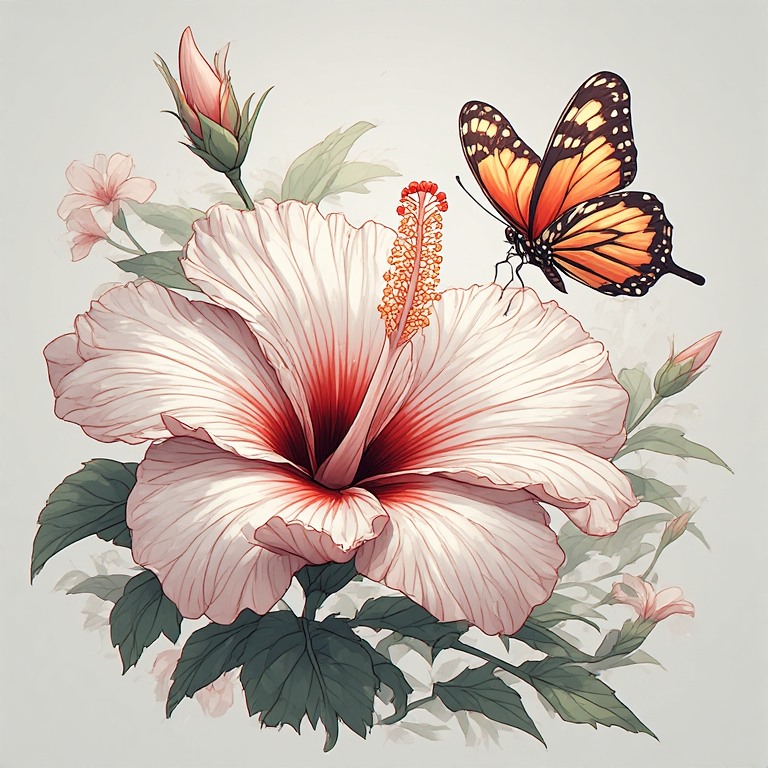
Hibiscus is renowned as one of the best nectar plants for tropical gardens, attracting a vibrant array of wildlife, including hummingbirds, butterflies, and bees. The hibiscus flower, characterized by its large, nectar-rich blooms, flourishes in warm climates and is a frequent sight in gardens. To maximize the benefits of these beautiful plants, it is advisable to plant several hibiscus together, creating a dedicated feeding zone for these delightful creatures. By doing so, gardeners can enhance the biodiversity of their outdoor spaces, offering a vital resource for pollinators while enjoying the stunning visual appeal of the hibiscus in full bloom.
2. Ixora
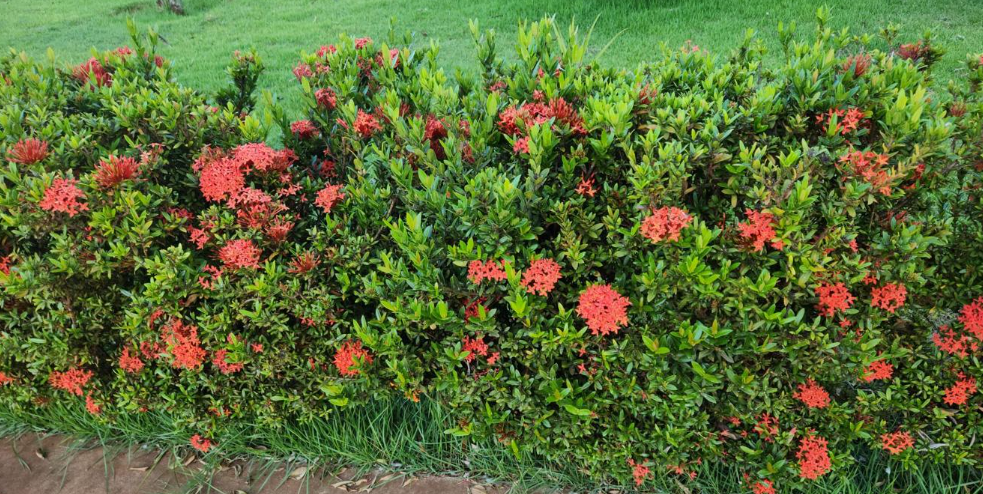
Ixora flowers, known for their vibrant hues and dense clusters, are not only visually appealing but also rich in nectar, making them a magnet for various pollinators. Butterflies, hummingbirds, and bees flock to these blossoms, drawn by their sweet rewards, which play a crucial role in supporting local ecosystems. Beyond their ecological importance, Ixora plants also serve as stunning hedges, providing both beauty and privacy in gardens and landscapes. In tropical regions, these flowers bloom almost year-round, ensuring a continuous display of color and life. Their resilience and attractiveness make Ixora a favored choice among gardeners and nature enthusiasts alike.
3. Lantana
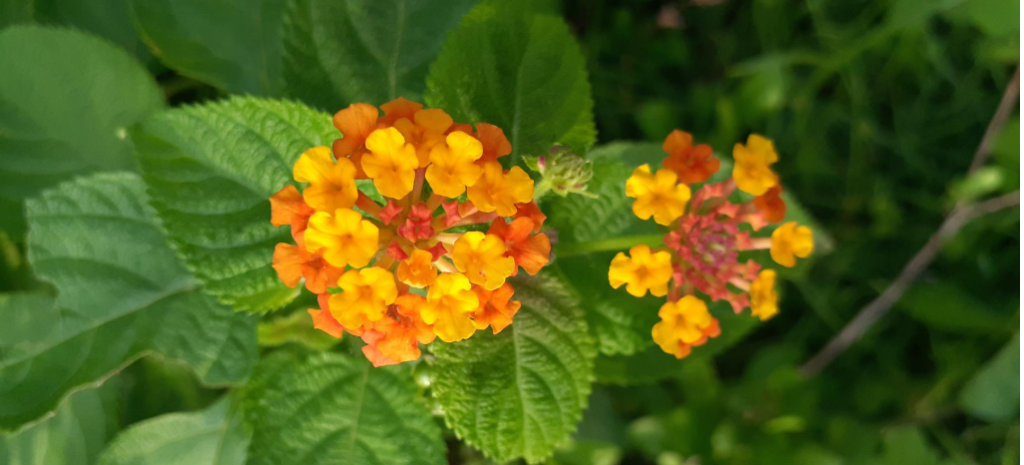
Lantana is renowned as one of the top butterfly plants globally, making it an essential addition to any garden aimed at attracting these beautiful creatures. Its vibrant clusters of multi-colored flowers not only add a splash of color to outdoor spaces but also serve as a continuous source of nectar, drawing in a wide variety of butterfly species and bees. This remarkable plant is not only visually appealing but also exceptionally hardy and drought-tolerant, making it an ideal choice for gardeners seeking low-maintenance options that thrive in various conditions. By cultivating lantana, one can create a lively, pollinator-friendly environment that supports local wildlife.
4. Firebush (Hamelia patens)
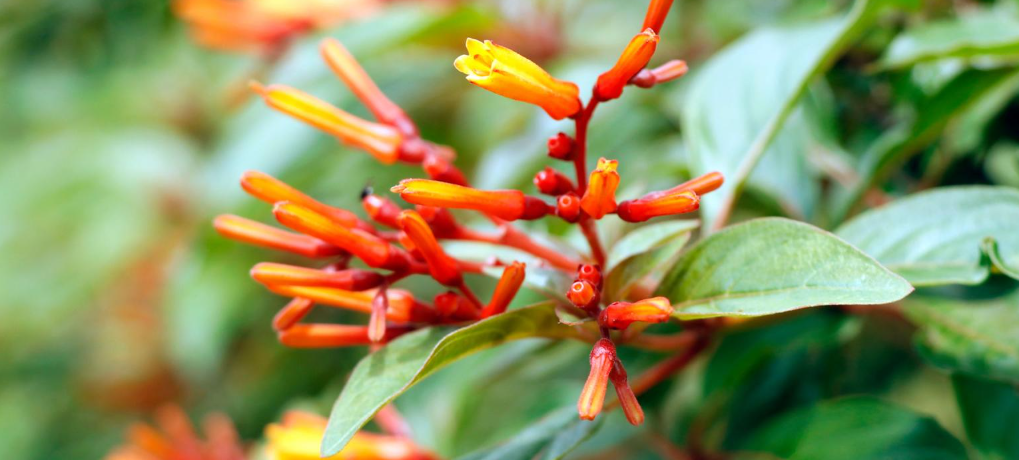
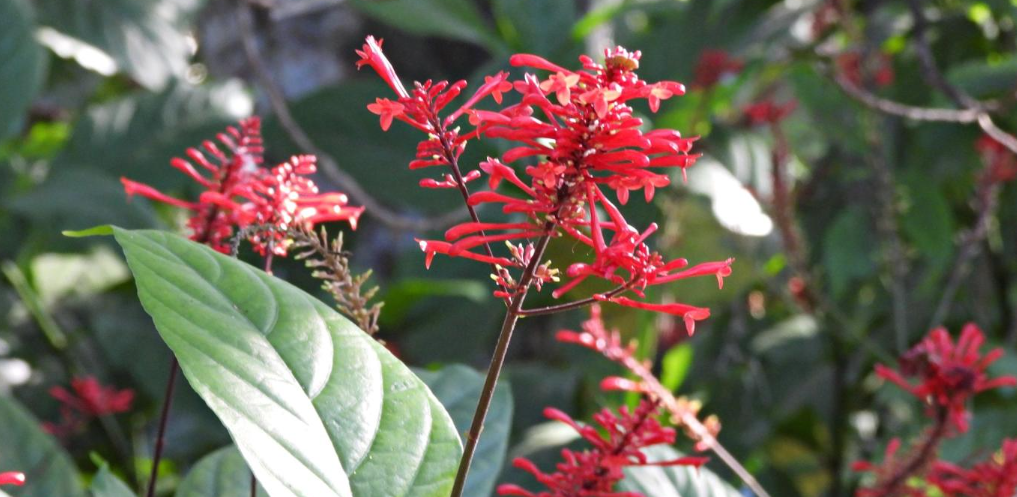
The firebush is a vibrant and captivating plant that serves as a haven for wildlife, particularly hummingbirds and butterflies. Its striking, bright tubular flowers, which are abundant in nectar, draw in these delightful pollinators, making it a magnet for their presence. The allure of the firebush extends beyond just hummingbirds; butterflies are equally enchanted by its blossoms, making it a delightful sight in any garden. Additionally, the firebush produces berries that provide nourishment for various bird species, further enhancing its role in the ecosystem. By planting firebush, gardeners can create a dynamic and lively environment that supports and attracts a diverse array of wildlife.
5. Porterweed (Blue Snakeweed)
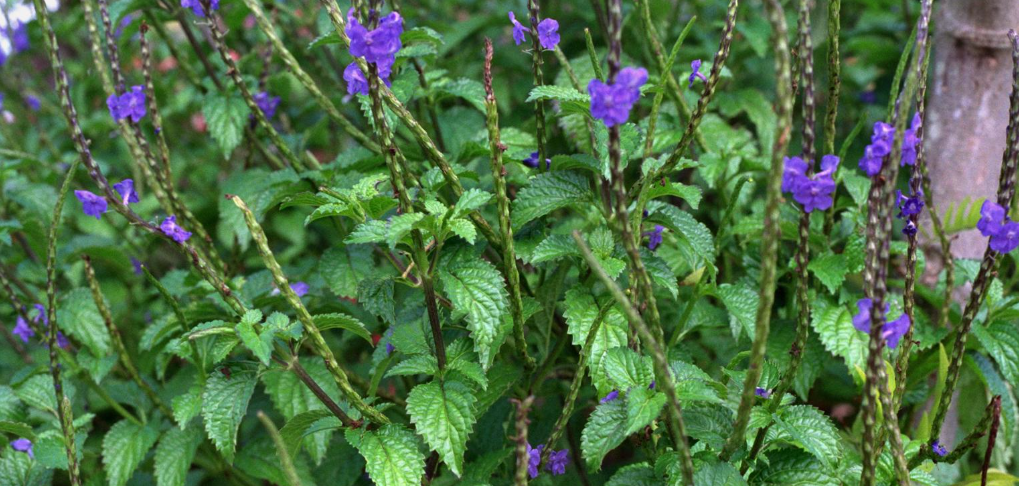
Porterweed is a beloved plant in the Caribbean, particularly renowned for its ability to attract a diverse array of butterfly species and bees. This vibrant plant is characterized by its continuous blooming spikes, which serve as a reliable source of nectar for these pollinators. The rich nectar offered by Porterweed not only entices butterflies but also supports bees, making it an essential component of the local ecosystem. The presence of this plant in gardens and natural landscapes contributes significantly to the attractiveness of the area, as the fluttering wings of butterflies and the buzzing of bees create a lively and enchanting atmosphere.
6. Passionflower (Passiflora)
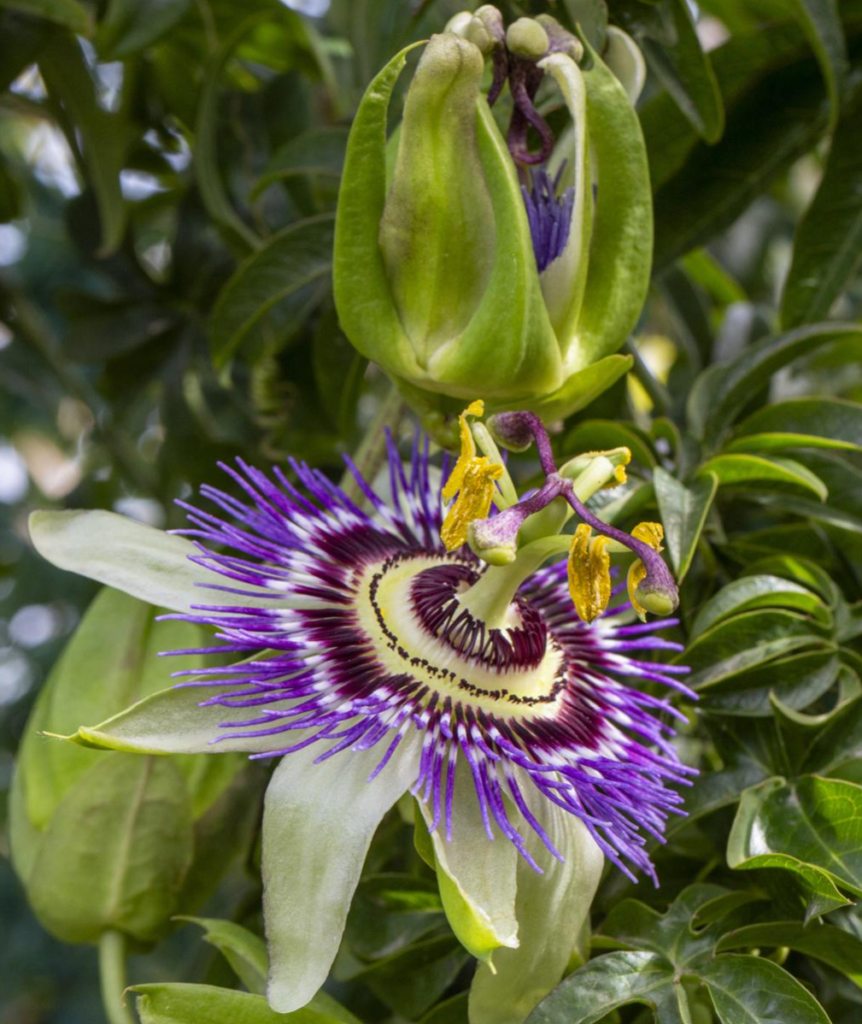
The passion flower is a stunning vine that captivates with its unique and intricate blooms, making it a standout in any garden. These flowers not only add beauty but also play a crucial role in attracting a variety of pollinators, particularly butterflies such as the Gulf Fritillary, which are drawn to their vibrant colors and distinctive shapes. The presence of these butterflies enhances the garden’s ecosystem, as they help facilitate the pollination process. In addition to its ornamental appeal, the passion flower is also known for producing the delicious and tangy passionfruit, a popular fruit enjoyed for its rich flavor and nutritional benefits. This remarkable vine, with its ability to attract wildlife and produce edible fruit, makes it a valuable and enchanting addition to any landscape.
7. Pentas
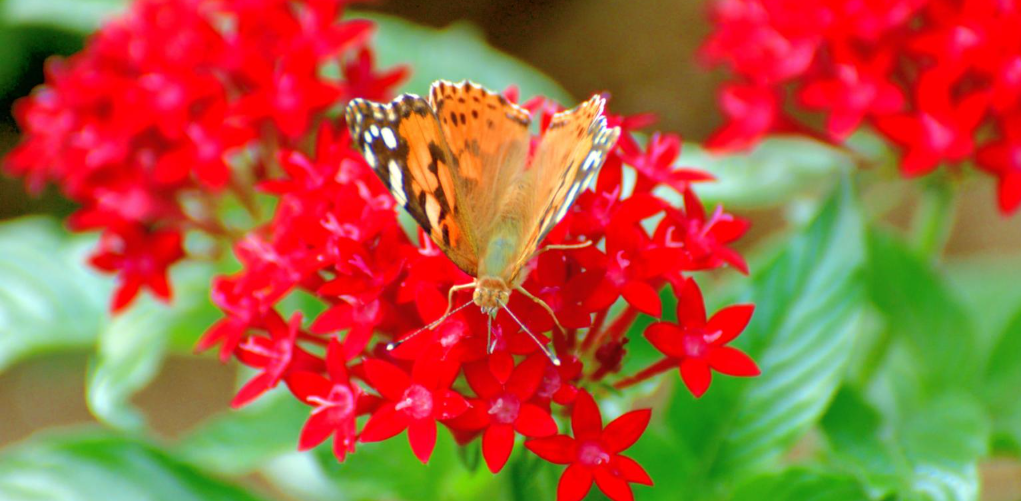
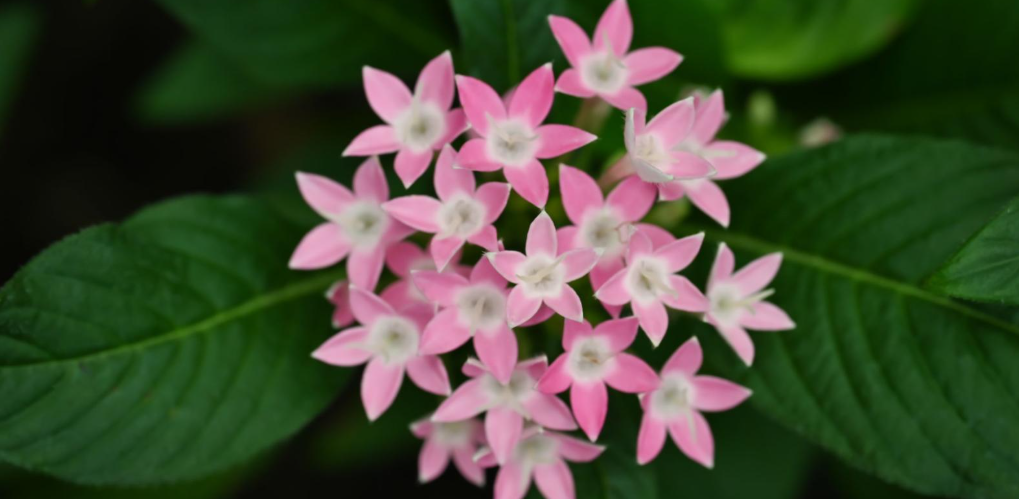
Pentas is an exceptional nectar plant that plays a vital role in attracting various pollinators to the garden. Its continuous display of star-shaped flowers, which are abundant in nectar, makes it a favorite among butterflies, hummingbirds, and bees. These vibrant blossoms not only enhance the aesthetic appeal of any landscape but also create a lively environment teeming with activity as these pollinators visit for sustenance. The presence of Pentas in your garden can significantly contribute to local biodiversity, as it provides a reliable food source for these essential creatures. By planting Pentas, you can enjoy the beauty of nature while supporting the ecosystem.
How to Turn Your Yard Into a Bird & Butterfly Garden
1. Plant in Groups
Butterflies possess an impressive ability to notice color clusters, which significantly influences their foraging behavior. To attract these vibrant creatures, it is beneficial to plant flowers in groups, creating visually appealing patches that mimic the natural habitat butterflies prefer. For instance, arranging three to five hibiscus plants together can create a striking burst of color, drawing the attention of butterflies with their vivid blooms. Similarly, grouping five to seven lantana plants can enhance the appeal, as these flowers are known for their bright hues and nectar-rich offerings. By strategically planting in clusters, gardeners can create a butterfly-friendly environment that encourages these delicate pollinators to visit frequently, ultimately contributing to a thriving garden ecosystem.
2. Provide Water
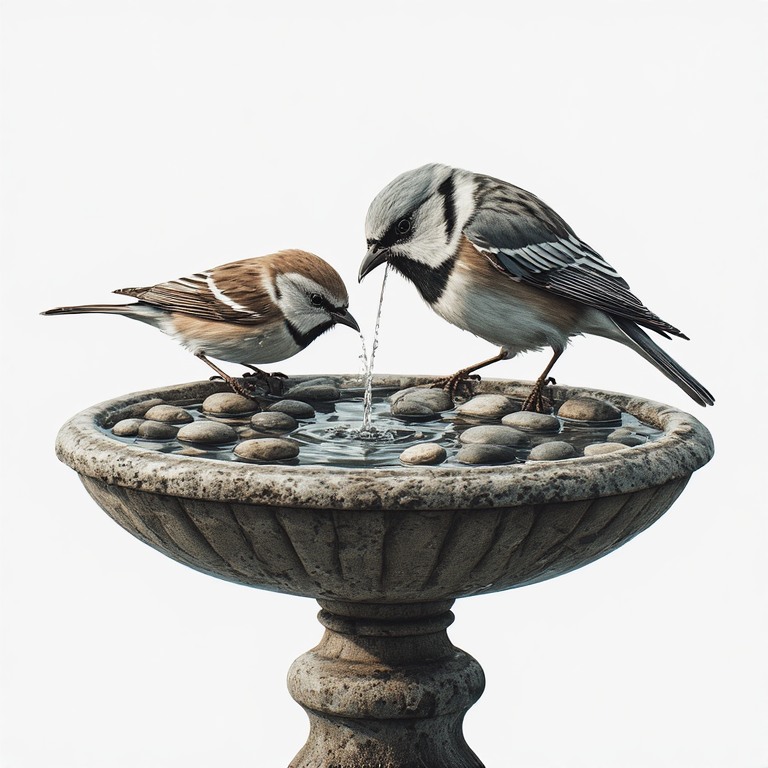
Birds are drawn to shallow water sources, making them essential for attracting wildlife to your garden. One effective way to provide this habitat is by installing a small bird bath, which not only offers a refreshing drink but also a safe space for birds to bathe and clean their feathers. If you prefer a more natural look, consider using a shallow bowl filled with stones. The stones serve as perches, allowing birds to access the water easily while preventing them from getting too wet. By incorporating these simple features, you can create a welcoming environment that encourages a diverse array of bird species to visit your outdoor space, enhancing both the beauty and biodiversity of your garden.
3. Avoid Pesticides
Creating a thriving garden involves not only nurturing plants but also fostering a healthy ecosystem. One of the most crucial steps in achieving this is by avoiding the use of pesticides. These chemical agents, while effective at eliminating pests, pose significant risks to the broader environment. When pesticides are applied, they can inadvertently kill beneficial insects, such as pollinators and natural predators of harmful pests. Furthermore, these chemicals can disrupt the food chain, impacting the birds that rely on these insects as a primary food source. By steering clear of pesticides, gardeners can help to maintain a balanced ecosystem, ensuring that both flora and fauna thrive together harmoniously. This approach not only supports the health of the garden but also contributes to the overall well-being of the local wildlife, promoting biodiversity and sustainability. Emphasizing natural pest control methods, such as introducing beneficial insects or using organic alternatives, can enhance the resilience of your garden while protecting the delicate interconnections that sustain it. In doing so, gardeners not only cultivate their plants but also create a sanctuary for wildlife, enriching the environment and ensuring that future generations can enjoy the beauty and bounty of a pesticide-free garden.
4. Mix Flower Types
Creating a beautiful garden involves carefully selecting a variety of flowers that not only enhance the aesthetic appeal but also attract different species of wildlife. A good combination of plants can create a vibrant and dynamic environment. For instance, incorporating Hibiscus adds a tropical flair with its large, colorful blooms, while Ixora provides clusters of small flowers that are highly attractive to butterflies and hummingbirds. Lantana is another excellent choice, known for its resilience and ability to draw in pollinators with its bright, multi-colored flower clusters. Firebush, with its tubular flowers, is particularly appealing to nectar-loving birds, and the Passionflower vine adds a unique touch with its intricate blossoms. Together, these plants create a harmonious ecosystem that not only beautifies the garden but also supports local wildlife, making it a haven for various species.
One effective strategy for enhancing your garden’s appeal to wildlife is to plant 3 to 4 specific species of flowers together, which can create what is known as a “butterfly hotspot.” By carefully selecting these plants, you can attract a variety of birds and butterflies that will visit your garden on a daily basis. This approach not only promotes biodiversity but also adds vibrant colors and life to your outdoor space. The presence of these beautiful creatures can transform your garden into a lively ecosystem, offering you a chance to observe nature up close. Additionally, a butterfly hotspot provides an essential habitat for pollinators, contributing to the health of your local environment. By implementing this powerful trick, you can enjoy the daily visits of these delicate winged creatures while supporting ecological balance in your area.
MORE ARTICLES
-

10 Ideas designed for a Caribbean Tropical Home
-

How to Make Your Own Bubble Diagram
-
Remedies for Slopes, Corners & Sharp Angles
-

Orientation & Chi Flow