

Introduction
When it comes to enhancing the aesthetic appeal and functionality of residential and commercial properties, landscaping plays a pivotal role. However, one question frequently arises among property owners: “Is landscaping costly?” This inquiry is not merely a matter of budgeting; it encompasses a spectrum of considerations, including the scope of the project, the materials used, and the expertise required to execute a vision. From simple garden beds and seasonal plantings to elaborate hardscapes and sustainable designs, the costs associated with landscaping can vary significantly. Understanding the factors that influence these expenses is crucial for making informed decisions that align with both financial constraints and design aspirations.
Additionally, while initial investments may seem daunting, the long-term benefits of well-planned landscaping—such as improved property value, enhanced outdoor living spaces, and increased energy efficiency—often outweigh the upfront costs. In this article, we will delve into the various elements that contribute to landscaping expenses, helping property owners navigate their options and ultimately determine the value of investing in their outdoor environments. Whether you are considering a minor upgrade or a comprehensive overhaul, gaining insight into the financial implications of landscaping will empower you to create a space that reflects your vision and meets your budget.
Landscaping is often perceived as a costly endeavor, leading many to hesitate when considering enhancements to their outdoor spaces. However, it’s important to recognize that while landscaping can indeed require a significant financial investment, it doesn’t necessarily have to break the bank. There are numerous options available that cater to different budgets, allowing homeowners to achieve beautiful and functional outdoor areas without overspending. By carefully planning and prioritizing projects, one can create a stunning landscape that enhances the property’s appeal and value. With creativity and resourcefulness, even the most modest budget can yield impressive results, making landscaping accessible to a wider audience.
What makes landscaping expensive?
Landscaping expenses can vary significantly based on a variety of factors, each contributing to the overall cost of creating and maintaining an outdoor space. One of the primary reasons for high landscaping expenses is the use of imported plants. These plants, often sourced from different regions or countries, can come with substantial shipping costs and import taxes. Additionally, the care and cultivation of these plants may require specialized knowledge and techniques, further driving up the costs. Hardscape elements, such as pavers, retaining walls, and patios, also represent a significant investment. The materials used for these structures, whether natural stone, concrete, or brick, can be expensive, especially if high-quality or unique options are selected. Furthermore, the installation of hardscape features typically requires heavy machinery and skilled labor, adding to the overall expenditure.
Another considerable factor impacting landscaping costs is the inclusion of large palms or mature trees. These specimens not only require careful handling and transportation but also demand specialized planting techniques to ensure their survival and integration into the landscape. Their size and age contribute to a higher price point, as they take years to cultivate and establish. Additionally, the installation of automatic irrigation systems is another expense often overlooked by homeowners. While these systems offer long-term water conservation and convenience, they come with installation costs that can vary based on landscape size and complexity. Finally, landscaper labor fees can represent a significant portion of the budget. Skilled labor is essential for achieving a professional finish, and rates may vary based on the landscape’s complexity, the experience of the personnel involved, and regional labor market conditions. Together, these factors highlight the multifaceted nature of landscaping expenses and underscore the importance of budgeting carefully for such projects.
What makes landscaping affordable?
Landscaping can often seem like an expensive endeavor, but there are several strategies that can make it more affordable without sacrificing quality or aesthetic appeal. One effective approach is the use of native plants, which are not only resilient but also low-maintenance. Native species are adapted to the local climate and soil conditions, meaning they often require less water, fewer fertilizers, and minimal pest control. By incorporating these plants into your landscape design, you can significantly reduce long-term maintenance costs and create a more sustainable environment. Additionally, undertaking gradual DIY planting allows homeowners to spread the costs over time, making it financially manageable. This approach also offers the added benefit of personal involvement in the creation of the landscape, fostering a deeper connection to the space.
Another cost-effective strategy is to utilize plant cuttings rather than purchasing mature plants. Propagating plants from cuttings is a rewarding and economical way to expand your garden, as it often requires little more than patience and proper care. Furthermore, selecting trees that grow quickly, such as pouï, palms, and neem, can enhance the landscape rapidly while minimizing the initial investment. These fast-growing species can provide shade and visual interest in a shorter timeframe. Lastly, mulching with natural Caribbean materials, such as cocoa mulch, bark, or coconut husk, not only helps retain soil moisture and suppress weeds but also adds a unique aesthetic touch that reflects the local environment. By leveraging these strategies, homeowners can create a beautiful and sustainable landscape without straining their budgets.
A Smart Caribbean Tip
In the Caribbean, the integration of native plants into landscaping and agricultural practices offers a multitude of benefits that extend beyond aesthetics. One of the most significant advantages is the cost-effectiveness associated with their cultivation. Native plants are well-adapted to the local climate and soil conditions, which means they typically require less water, fertilization, and maintenance than non-native species. This inherent resilience not only reduces the financial burden on homeowners and farmers but also contributes to sustainable environmental practices by minimizing resource consumption. Furthermore, by choosing native flora, individuals can help preserve local biodiversity and create habitats that support native wildlife, thus enhancing the ecological balance of the region.
Moreover, native plants exhibit remarkable resilience to extreme weather events, such as droughts and hurricanes—common occurrences in the Caribbean. Their deep-root systems enable them to withstand prolonged dry spells, making them an ideal choice for regions facing increased water scarcity due to climate change. Additionally, these plants are often more capable of withstanding the high winds and heavy rains associated with hurricanes, reducing the likelihood of damage to landscapes and property. By promoting the use of native species, communities can not only enhance their green spaces but also foster a more resilient environment that is better equipped to cope with the challenges posed by climate change and natural disasters. This approach not only aligns with sustainable practices but also contributes to the long-term health and vitality of the Caribbean ecosystem.
Why Caribbean People Misunderstand Landscaping
Landscaping in the Caribbean has often been misunderstood, with traditional practices primarily focused on the superficial aspects of yard maintenance. For many, landscaping has been synonymous with keeping the yard tidy, a routine of cutting grass, and the occasional decorative touch, such as planting a couple of ornamental palms in the front yard or creatively repurposing a painted tire as a planter. However, this limited view fails to recognize the multifaceted nature of modern landscaping, which transcends mere lawn care. Today, landscaping represents an intricate form of architecture that harmonizes with the land, incorporating a thoughtful design that considers the interplay of natural elements and human habitation.
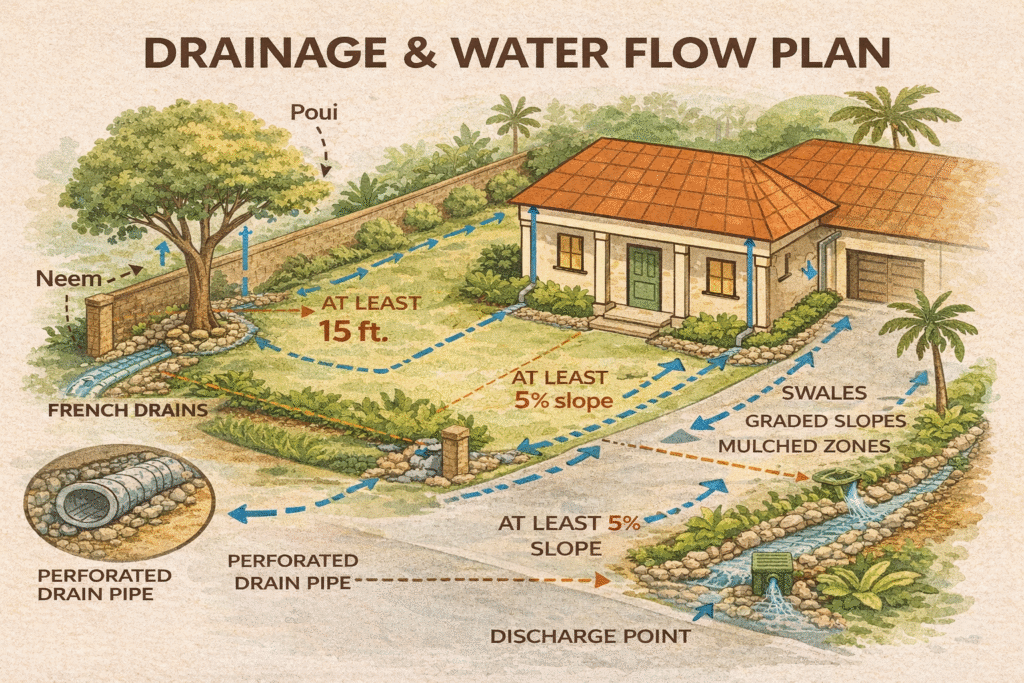
The significance of landscaping extends far beyond aesthetic appeal; it plays a crucial role in various aspects of living environments. Effective landscaping can dramatically influence heat management, water control, comfort levels, security, and privacy within a property. Furthermore, it contributes to the overall aesthetics and energy flow of a space, ultimately impacting property values. This understanding has led architects and Feng Shui specialists alike to prioritize landscaping as a vital component of home design. By recognizing the broader implications of landscaping, Caribbean homeowners can enhance their living spaces, creating environments that not only reflect personal style but also promote sustainability and well-being.
Conclusion
In conclusion, while landscaping can initially seem costly, it is essential to view it as a long-term investment in the value and aesthetic appeal of your property. Factors such as the scope of the project, the materials chosen, and the expertise of the professionals involved all play significant roles in determining the overall cost. However, with careful planning and budgeting, homeowners can find ways to create beautiful outdoor spaces that fit within their financial means. Ultimately, the benefits of well-designed landscaping extend beyond mere visuals; they enhance the enjoyment of your home, increase curb appeal, and can even lead to a higher property value. Therefore, considering the potential return on investment, landscaping should be viewed as a worthwhile expenditure rather than a mere expense.
Presenting a curated list of tropical plants that are both easy to care for and visually striking, ideal for the Caribbean environment. Please find the download link below.