

Landscaping in the Caribbean presents a unique set of challenges and opportunities, driven by the region’s vibrant flora, tropical climate, and cultural influences. Whether you are tending to a cozy backyard or overseeing a sprawling hillside estate, understanding the fundamental design principles that underpin successful landscaping is essential. This guide distills these principles into clear, actionable insights tailored specifically for Caribbean contexts. It addresses key considerations such as climate adaptability, effective drainage solutions, and the ancient art of Feng Shui, ensuring that your outdoor space not only thrives but also resonates with harmony and balance.
Additionally, we will explore strategies for long-term maintenance that respect the region’s delicate ecosystems and promote sustainability. By integrating these design principles, you can transform your property into a lush, inviting sanctuary that reflects the beauty of Caribbean living while remaining functional and manageable. Whether you are a seasoned landscape architect or a passionate homeowner embarking on a new project, this guide aims to equip you with the knowledge needed to cultivate a landscape that is not only aesthetically pleasing but also deeply rooted in the principles of environmental stewardship and cultural relevance.
Essential Design Principles for Successful Landscaping
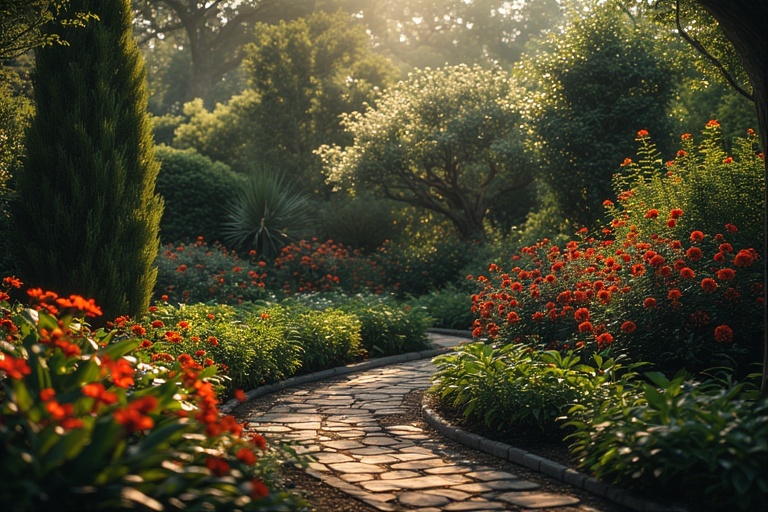
These principles are tailored for the Caribbean environment, ensuring practicality and ease of implementation.
1. Understand Sun, Wind, and Water (Environmental Awareness)
Understanding the interplay of sun, wind, and water is essential for creating a sustainable and aesthetically pleasing landscape. The positioning of sunlight in relation to structures and plants can significantly influence their growth and overall health. For instance, placing shade trees strategically on the western side of your property can effectively block the harsh afternoon sun, protecting your home from excessive heat and reducing energy costs associated with cooling. Conversely, utilizing eastern light in areas such as bedrooms or breakfast patios can foster a warm and inviting atmosphere during the gentle morning hours, enhancing the overall quality of living spaces and encouraging outdoor activities.
Wind patterns also play a crucial role in landscape design. By capturing the northeast trade winds, homeowners can harness natural breezes to provide cooling relief during hot summer months. The strategic use of hedges, shrubs, and trees can not only redirect these winds but also soften the impact of harsh gusts, creating a more comfortable and sheltered environment. Additionally, proper water management is vital for maintaining a healthy landscape. Ensuring that land is graded to facilitate drainage away from the house prevents potential flooding and water damage. Incorporating features such as French drains, swales, or rain gardens not only enhances the aesthetic appeal of the outdoor space but also contributes to sustainable water management practices. Neglecting this fundamental principle can lead to ongoing challenges in landscape maintenance and health, underscoring the importance of thoughtful environmental awareness in landscaping decisions.
2. Work With the Natural Slope (Never Against It)
When it comes to landscaping in the Caribbean, one must recognize that the terrain is seldom characterized by flat expanses. The unique topography of the region presents both challenges and opportunities for effective design. A fundamental principle of successful landscaping is to work with the natural slope of the land rather than trying to alter it. This approach not only enhances the aesthetic appeal of the landscape but also aids in practical functionality. For instance, when planning paths and drainage systems, it is essential to align them with the contours of the land. This alignment helps ensure that water flows naturally, mitigating the risk of pooling and erosion, which can be detrimental to both plants and structures.
Incorporating the slope into your design can yield striking visual elements while promoting ecological health. Rather than relying on retaining walls, which can be costly and may disrupt the natural landscape, consider utilizing the slope as a canvas for creative landscaping features. This might include the creation of rock gardens that blend seamlessly with the environment, terraced planting areas that provide depth and interest, or cascading plants that naturally soften the transitions between levels. By embracing the natural contours of the land, not only can you reduce construction costs and maintenance efforts, but you also foster a more sustainable and resilient landscape that can withstand the challenges posed by the Caribbean climate.
3. Create a Clear Visual Structure (Bones of the Landscape)
Creating a clear visual structure, often referred to as the “bones of the landscape,” is a fundamental step in successful landscape design. This initial phase involves meticulously planning the layout to ensure that all subsequent elements harmonize within the outdoor space. Essential components to consider in this foundational stage include paths that guide movement through the landscape, clearly defined edges that delineate different areas, and terraces that can add dimension and interest. Additionally, the curvature of driveways can significantly influence the overall aesthetic, as can the sequence of entry points that welcome visitors into the space. Finally, strategically placing trees and major planting masses not only provides visual anchors but also contributes to the sense of balance and scale within the design.
By establishing these structural elements, designers create a cohesive framework that serves as a guide for all subsequent landscaping efforts. This process can be likened to an artist sketching an outline before applying color, as it provides the necessary groundwork upon which more intricate details and plant life can be layered. A well-conceived visual structure not only enhances the aesthetic appeal of the landscape but also ensures functionality and flow, allowing users to navigate and experience the space in an intuitive and enjoyable manner. In essence, this architectural approach to landscaping lays the foundation for a harmonious and engaging outdoor environment that can be appreciated for years to come.
4. Choose the Right Plant for the Right Place
Choosing the right plant for the right location is a fundamental principle of successful landscaping, yet it remains one of the most common missteps made by homeowners in the Caribbean. It is essential to carefully consider several factors when selecting plants for your garden. Firstly, light levels play a crucial role; different plants thrive under varying conditions, whether it be full sun, partial shade, or full shade. Additionally, water tolerance is another critical consideration, as some plants are more resilient to drought while others may require consistently moist soil. Furthermore, understanding the type of soil in your garden—whether sandy, clay, or loamy—will significantly influence plant health and growth. Finally, planning for adequate space is vital; planting large trees too close to houses or walls can lead to structural damage and create maintenance challenges.
When executed thoughtfully, the right plant choices can lead to a flourishing garden that requires minimal upkeep, allowing homeowners to enjoy their outdoor spaces without the burden of constant maintenance. Conversely, neglecting these crucial aspects can result in a host of issues, including stunted growth, increased susceptibility to pests and diseases, and the need for regular pruning or replacement of poorly placed plants. By investing time in understanding the specific requirements and characteristics of each plant, homeowners can create a harmonious and sustainable landscape that enhances the beauty and value of their property while minimizing ongoing challenges.
5. Layer Plants for Depth and Impact (The Rule of Three)
Layering plants in landscape design is an essential technique that can transform an ordinary garden into a stunnin g visual masterpiece. The concept of the “Rule of Three” emphasizes the importance of utilizing three distinct layers of vegetation to create depth and visual interest. Starting with trees, the tallest layer forms a natural canopy that not only provides structure but also offers shade and shelter for the layers beneath. These trees serve as the backbone of the landscape, guiding the eye upwards and creating a sense of grandeur. Following this, shrubs contribute volume and fill in the middle layer, bridging the gap between the towering trees and the ground. Their diverse shapes and forms add richness to the design, while also providing habitat for wildlife and enhancing biodiversity.
The final layer consists of groundcovers and flowering accents, which play a crucial role in softening the overall appearance of the landscape. These low-growing plants not only fill in spaces but also introduce vibrant colors and textures that invite the viewer to explore the garden more intimately. The combination of layered plants achieves that lush, “tropical resort” aesthetic that many homeowners aspire to create in their outdoor spaces. Conversely, the practice of planting single, isolated specimens can lead to a sparse and uninviting atmosphere, lacking the cohesion and vibrancy that comes from a well-thought-out layered approach. By embracing the rule of three, landscape designers can cultivate an environment that feels abundant and inviting, ultimately enhancing the overall appeal of the property.
6. Use Repetition to Create Harmony
In landscape design, the strategic use of repetition can significantly enhance the overall aesthetic and functionality of a space. By incorporating specific plants or design elements repeatedly throughout a garden or outdoor area, designers can create a sense of intentionality and cohesion. This approach helps to establish a visually pleasing rhythm, guiding the viewer’s eye and fostering an environment that feels thoughtfully curated, rather than haphazardly assembled. For instance, selecting a single type of hedge plant to line the front of a property, rather than mixing multiple varieties, not only simplifies the visual narrative but also unifies the design, creating a more polished and professional appearance.
Moreover, employing repetition in landscaping serves to reduce visual clutter, which can often overwhelm the senses and detract from the overall beauty of a space. A cohesive selection of plants and design elements can evoke a sense of tranquility, promoting a calm atmosphere conducive to relaxation and enjoyment. When the eye encounters familiar shapes, colors, and textures throughout the landscape, it fosters a feeling of balance and harmony. This can be particularly effective in smaller spaces, where the judicious use of repetition can help maintain an open, airy feel, allowing each element to shine without competing for attention. Ultimately, by embracing the principles of repetition, landscape designers can create environments that are not only aesthetically pleasing but also emotionally resonant, enhancing the overall experience for those who inhabit or visit the space.
7. Design Your Entry Sequence (Mouth of Qi)
Designing your entry sequence, often referred to as the “Mouth of Qi,” is a crucial aspect of landscape architecture and feng shui principles. The front entrance not only serves as a physical threshold to your home or property but also sets the tone for the energy that flows within. A well-designed entry should evoke a sense of warmth and welcome, inviting visitors to step inside with an open heart and mind. To achieve this, the pathway should be clear and unobstructed, guiding guests effortlessly toward the entrance. Incorporating ample lighting is essential, as it enhances safety and creates an inviting atmosphere, particularly during evening hours. The use of well-placed plants on both sides of the entryway further supports this welcoming vibe, as they soften the approach and add a touch of nature, which can significantly elevate the overall aesthetic.
Moreover, the design of the entry sequence should prioritize curves and softened lines, as opposed to harsh angles or straight paths. This approach is believed to facilitate the flow of positive chi, or life energy, making the transition from the outside world to the interior of your home a harmonious experience. Curved pathways can evoke a sense of serenity and tranquility, encouraging a gentle movement that aligns with the natural rhythms of the environment. Additionally, incorporating features such as decorative stones, water elements, or artistic sculptures can enhance the visual appeal and create focal points that draw the eye along the path. By thoughtfully considering these design elements, the entry sequence can become a beautiful and energizing gateway that not only welcomes visitors but also nurtures the overall atmosphere of your space.
8. Plan for Privacy Without Heavy Walls
In contemporary landscape design, creating privacy without the imposition of heavy walls can be achieved through the strategic use of “green walls.” These living barriers not only enhance the aesthetic appeal of a space but also promote a sense of serenity and tranquility. Among the most effective plants for this purpose are Clusia, which offers robust foliage and a dense growth pattern, making it an excellent choice for creating visual barriers. Additionally, clumping bamboo is an ideal option, as it grows upright, providing an elegant and modern touch while maintaining an open feel. The Areca palm, with its feathery fronds, adds a tropical ambiance to any setting while effectively screening out unwanted views. Furthermore, Ixora hedges, with their vibrant blooms and compact growth, serve as colorful, low-maintenance privacy solutions that thrive in various climates.
Integrating these plants into your landscape not only ensures privacy but also enhances airflow and natural light, creating an inviting outdoor environment. The use of greenery for privacy allows for a seamless connection between indoor and outdoor spaces, fostering a sense of openness while still offering the seclusion desired in residential or commercial settings. Moreover, employing plant-based barriers contributes positively to the environment by improving air quality and supporting local biodiversity. By thoughtfully selecting and arranging these plants, one can design a visually appealing and functional space that respects the principles of sustainability and enhances overall well-being.
9. Minimize Maintenance Through Smart Choices
Minimizing maintenance in landscaping is an essential consideration for both residential and commercial properties seeking to enhance their aesthetic appeal while also reducing the time and resources devoted to upkeep. One of the most effective strategies involves selecting native or drought-resistant plants, which are inherently adapted to the local climate and soil conditions. These plants not only require less water and fertilization but also attract local wildlife, promoting biodiversity. By incorporating a variety of these resilient species, property owners can create a vibrant landscape that thrives with minimal intervention. Additionally, applying a heavy layer of mulch serves multiple purposes: it aids in moisture retention, suppresses weed growth, and provides a tidy appearance, further reducing the need for frequent maintenance.
Another crucial aspect of low-maintenance landscaping is the thoughtful reduction of lawn areas, as traditional grass lawns demand significant resources, including regular mowing, watering, and fertilization. By transitioning to alternative ground covers or ornamental grasses, property owners can create visually appealing spaces that require far less upkeep. Installing an efficient irrigation system, such as a simple drip line, ensures that plants receive the necessary moisture without the risk of overwatering, further enhancing sustainability. It’s important to note that low maintenance does not equate to neglect; instead, it embodies a design philosophy where the landscape is thoughtfully curated to sustain itself over time, providing beauty and functionality with minimal effort from the property owner. Through these smart choices, landscapes can flourish while significantly reducing the burden of maintenance.
10. Balance Hardscape and Softscape
Achieving a well-designed landscape requires a thoughtful balance between hardscape and softscape elements. Hardscape refers to the non-plant features of a landscape, including walkways, patios, retaining walls, and decorative stone features. These elements provide structure and functionality, guiding movement through the space and creating areas for leisure and interaction. However, an overabundance of concrete and stone can lead to an austere and unwelcoming environment. On the other hand, softscape, which encompasses the living elements such as trees, shrubs, flowers, and grasses, introduces color, texture, and life to the landscape. While lush greenery can create a vibrant and inviting atmosphere, excessive plantings can result in a chaotic and unkempt look, detracting from the overall aesthetic.
To achieve a functional balance in landscape design, it is essential to find the right proportion of hardscape and softscape elements. A well-planned landscape incorporates both types of features in a way that complements and enhances one another. For instance, using hardscape materials to create defined pathways or patios can anchor the design, while strategically placed plants can soften edges and provide visual interest. This balance not only enhances the beauty of the landscape but also serves practical purposes, such as improving accessibility and facilitating maintenance. Ultimately, a harmonious landscape design seamlessly integrates hardscape and softscape elements, resulting in a space that is both functional and visually appealing, catering to the needs of its users while enriching the environment.
11. Consider Circulation Flow (Human Movement)
When designing outdoor spaces, particularly those intended for public use, it is essential to prioritize circulation flow to enhance human movement and overall accessibility. Clear paths that are intuitively laid out can significantly improve the user experience, allowing individuals to navigate spaces effortlessly. Gentle curves in pathway design enable a more organic flow, mimicking natural movement patterns and encouraging exploration. It is vital to eliminate obstacles that may hinder mobility or create confusion, ensuring that pathways are not only functional but also inviting. By thoughtfully integrating visual cues—such as signs, distinct landscaping, or variations in materials—designers can effectively guide users through the environment, enhancing their sense of orientation and comfort.
Moreover, the concept of circulation flow can be likened to the principles of chi, which emphasizes the importance of energy movement in a given space. Just as chi promotes a harmonious balance in environments, effective circulation flow fosters a seamless connection between individuals and their surroundings. Spaces that are designed with a keen understanding of human movement enable users to interact freely and naturally, creating a vibrant atmosphere where people can gather, socialize, and engage with one another. By consciously considering the dynamics of movement and the flow of energy, architects and planners can create outdoor environments that not only prioritize functionality but also reflect the inherent rhythm of human activity. This holistic approach ultimately contributes to a more enriching and enjoyable experience for all users.
12. Create Focal Points
Focal points are essential elements in landscape design, serving as anchors that establish a sense of order and create visual harmony within an outdoor space. These features draw the eye and provide a structured reference point amidst the surrounding environment, effectively guiding the viewer’s experience of the landscape. For instance, a majestic poui tree, with its vibrant yellow blossoms, can serve as a stunning vertical element that adds height and seasonal interest to the garden. Similarly, an elegantly designed water feature—whether a tranquil pond, a flowing fountain, or a cascading waterfall—can introduce a soothing auditory component, enhancing the overall ambiance while also reflecting light and creating dynamic visual effects.
In addition to natural elements, artistic installations like sculptures can act as striking focal points that stimulate conversation and provoke thought, adding a layer of cultural significance to the landscape. A bold grouping of tropical plants can create a dramatic impact, showcasing a variety of textures and colors that capture attention and evoke a sense of lushness and vitality. Furthermore, a circular garden bed can serve as both a functional and aesthetic focal point, guiding the flow of movement within the space while providing a canvas for seasonal blooms and diverse plantings. Collectively, these focal points not only anchor the design but also create visual rest, allowing viewers to pause and appreciate the beauty and intricacies of the landscape around them.
13. Think Long-Term (10–20 Years)
When designing a landscape, particularly in tropical regions, it is essential to think long-term—ideally with a time frame of 10 to 20 years in mind. The rapid growth of small plants into towering trees under the right climatic conditions necessitates careful planning regarding tree canopy spread and root structure. As these plants mature, their canopies can expand significantly, potentially encroaching on nearby structures and creating hazards if not properly managed. Additionally, the root systems of these plants can extend far beyond the visible ground area, which may lead to complications such as lifted sidewalks or damage to foundational elements of buildings. Ensuring adequate clearance from walls and roofs is crucial to prevent these issues and to promote a harmonious coexistence between nature and urban environments.
Moreover, it is vital to consider the future shading impact of the plants selected for landscaping. As trees grow, they will provide shade that can influence microclimates, energy consumption, and even the overall aesthetics of an area. A well-thought-out landscape design will not only enhance the visual appeal of a property but also adapt over time to avoid becoming a hazard. Landscape designers should prioritize the selection of species that will age gracefully, integrating mature plants that complement the existing environment while allowing for a sustainable growth trajectory. This foresight is key in creating a safe, beautiful, and functional outdoor space that will thrive for decades to come.
14. Embrace Seasonal Colour Without Overdoing It
Embracing the vibrant hues of seasonal plants can transform any landscape into a stunning visual feast, but moderation is key to creating a harmonious environment. Incorporating bold blooms like Bougainvillea and Hibiscus can infuse your garden with rich colors and tropical flair. The fiery tones of Croton and the cheerful clusters of Ixora add further vibrancy, while the striking shapes of Heliconia can serve as eye-catching focal points. However, to avoid overwhelming the senses, it’s essential to balance these vivid plants with lush green structural plants. This greenery provides a calming backdrop that enhances the beauty of the colorful flowers, creating a serene yet lively garden space.
15. Make the Landscape Functional
A Caribbean yard offers a unique opportunity to create a multifunctional landscape that enhances daily living beyond mere aesthetics. By integrating food production with the planting of trees such as mango and avocado, as well as cultivating fresh herbs, homeowners can enjoy the benefits of homegrown produce. Additionally, a well-designed yard provides spaces for outdoor relaxation, offering tranquil areas to unwind and connect with nature. Strategic planting can also create shade and serve as a windbreak, improving comfort in the outdoor environment. Furthermore, effective drainage control is essential for managing rainfall, while principles of Feng Shui can be employed to promote balance and harmony in the landscape. Overall, thoughtful landscaping transforms a yard into a vibrant, functional space that supports various aspects of everyday life.
Conclusion
In conclusion, successfully navigating the intricacies of landscaping in the Caribbean requires a thoughtful approach that harmonizes with the region’s unique environment and cultural heritage. By applying the design principles outlined in this guide—emphasizing climate adaptability, effective drainage, and sustainability—you can create outdoor spaces that not only enhance the beauty of your property but also respect the delicate ecosystems that surround us. As you cultivate your landscape, remember that each choice contributes to a vibrant sanctuary that embodies the spirit of Caribbean living. With careful planning and ongoing maintenance, your outdoor oasis can flourish, providing an enduring connection to the region’s rich natural and cultural tapestry.
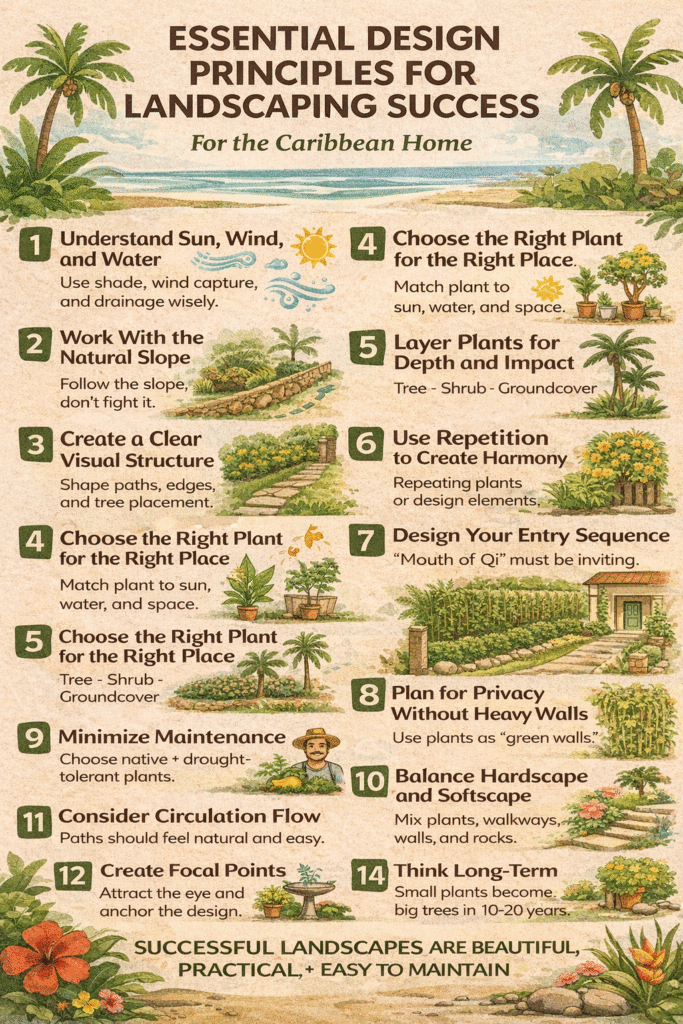
“For those interested in embarking on landscaping projects, this comprehensive checklist will prove to be a valuable resource. Enclosed is a PDF titled ‘Caribbean Landscaping Homeowner Checklist’ for your convenience.”
Caribbean Landscaping Homeowner Checklist (PDF)